Pathways to Life Sciences
LABORATORY ASSOCIATES TRAINING
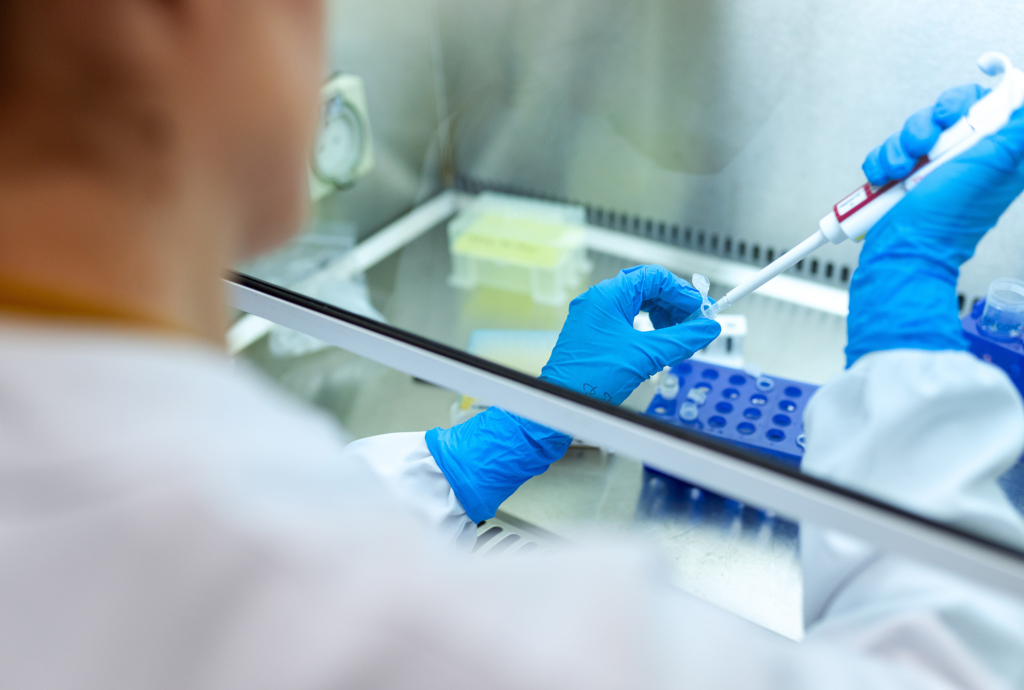
PROFESSIONAL SCIENTISTS TRAINING
SUCCESS STORIES
Get to know our graduates — people who took our lab associates training and went on to successful careers.
NEWS & UPDATES
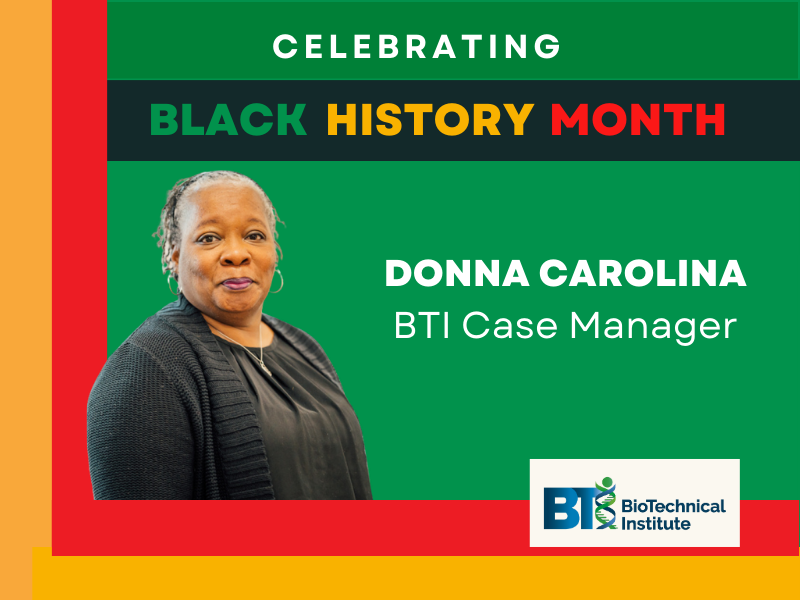
Black History Month BTI Spotlight: Donna Carolina
This month we're lifting up Black leaders in the life sciences and those who have made a difference in the lives of countless BTI students. This week, we're spotlighting BTI's tireless Case Manager, Donna Carolina.
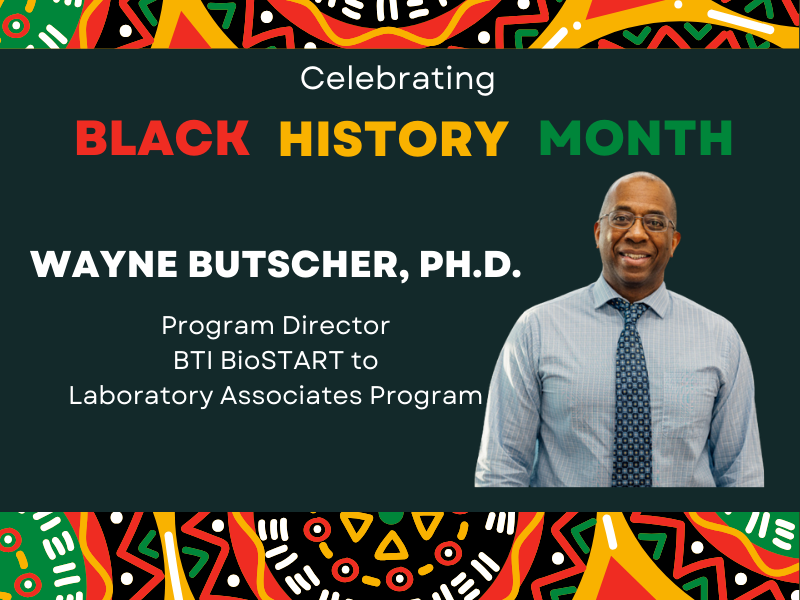
BTI Spotlight: Wayne Butscher, Ph.D.
This month we're lifting up Black leaders in the life sciences and those who have made a difference in the lives of countless BTI students. This week, we're spotlighting BTI's long-time Program Director, Dr. Wayne Butscher, Ph.D.
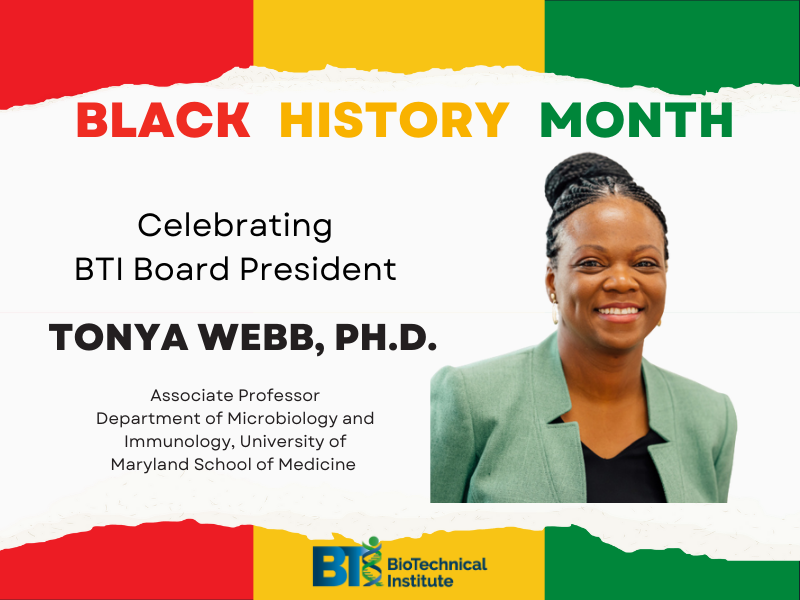
Black History Month BTI Spotlight: Dr. Tonya J. Webb, Ph.D
This month we're lifting up Black leaders in the life sciences and those who have made a difference in the lives of countless BTI students. We begin with long-time Board member and current Board President, Dr. Tonya J. Webb, Ph.D.